
Guidance19 October 2026
When and where to seek professional help
Some struggles respond to rest, support and time. Others need a professional. Here is how to tell the difference — and where to go in Ghana.
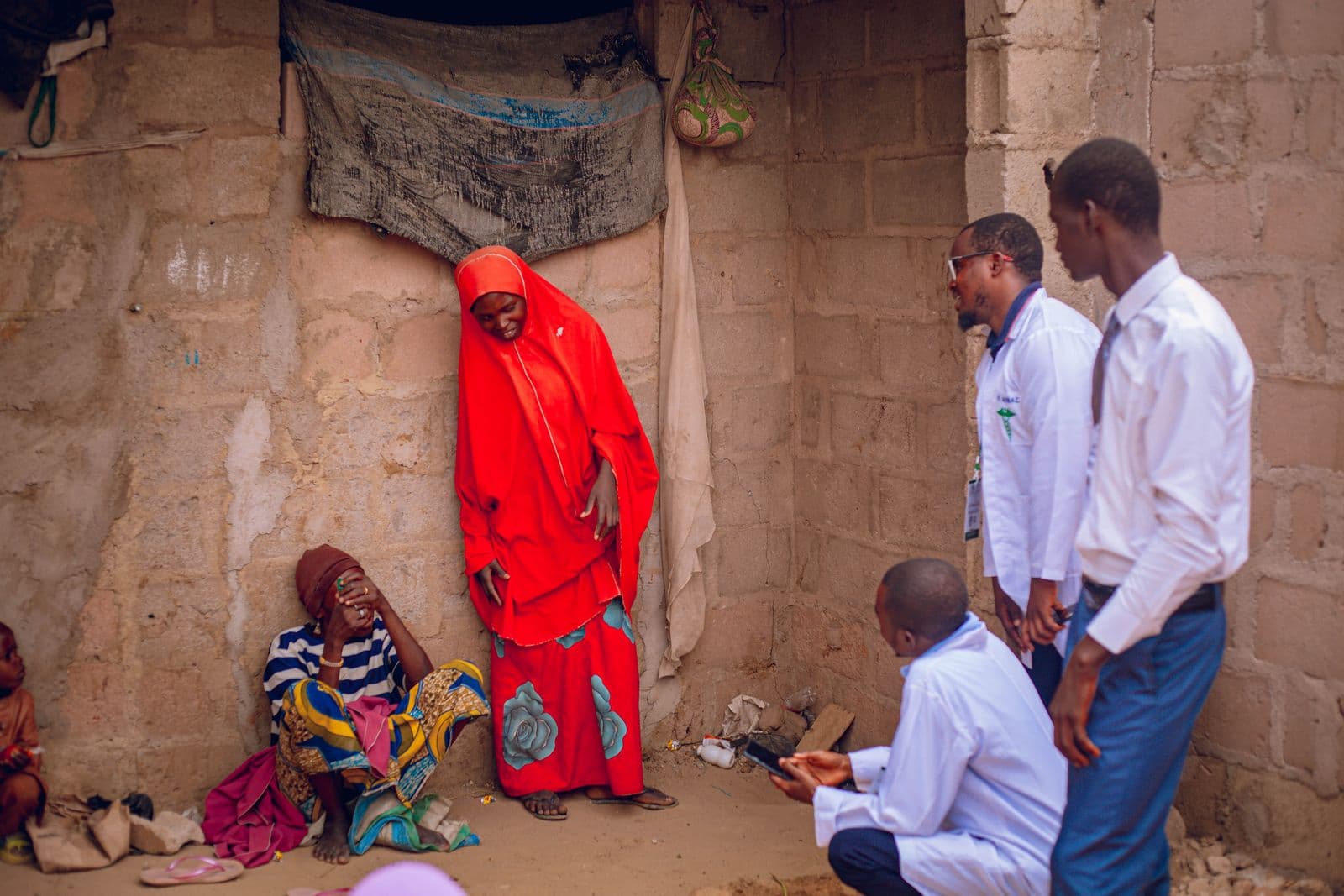
Everyone feels low, worried or overwhelmed at times. For many people, rest, a strong support network and healthy daily habits are enough. But there are moments when professional help is not just useful — it is the right next step.
Consider professional help when…
- Difficult feelings last most of the day, nearly every day, for two weeks or more.
- Sleep, appetite, work or school have visibly changed.
- Someone loses interest in things they used to enjoy.
- A person talks about being a burden, or about not wanting to be here.
- Alcohol or other substances are being used to cope.
- Family or friends are expressing real concern.
Where to go in Ghana
- Start with your nearest health centre or district hospital. A general doctor can assess symptoms, rule out physical causes and refer onward.
- Call a mental-health hotline. Our urgent help page lists the national emergency lines and mental-health services.
- Ask about the nearest psychiatric unit. Regional and teaching hospitals across Ghana have psychiatric departments, and the Mental Health Authority can direct you to services near you.
- Invite us to talk it through. The Foundation can help individuals and families understand their options and find appropriate services — contact us and we will walk beside you.
Before you go
Write down what has been happening and for how long, any medicines being taken, and the questions you want to ask. If it is safe to do so, bring a trusted family member or friend.
Asking for help is a sign of strength, not weakness. If you are unsure whether it is "bad enough", that is exactly the kind of question a professional is trained to answer.
Resources shared here are for general awareness and education only. They are not a substitute for professional medical or psychiatric care.